Treating lipedema is not limited to a single procedure. The treatment of lipedema requires a multidisciplinary approach in order to achieve the best results. This multidisciplinary approach involves the following specialists and components:
Feeding plan
Guidance from a dietitian to prevent weight gain and weight fluctuations; unfortunately, any weight gained by tissue affected by lipoedema is very difficult to lose. A low-carbohydrate diet (avoiding fast sugars) is particularly recommended.
Exercise plan
Maintaining (daily) physical activity and muscle strength. Individual guidance from a physical therapist through "graded activity" may be necessary.
Support and Lymphatic Drainage
Supporting lymph drainage through therapeutic elastic stockings, manual lymph drainage, and pneumatic compression therapy. This can reduce volume, pain, and progression of the condition and is performed by both physical therapists and skin therapists. Breathing exercises can also improve lymph flow and drainage.
Coaching
Lipedema can be mentally stressful, considering the consequences of (years of) pain, limited mobility, or living with disproportionate body proportions. In such cases, guidance from a coach or psychologist may be advisable.
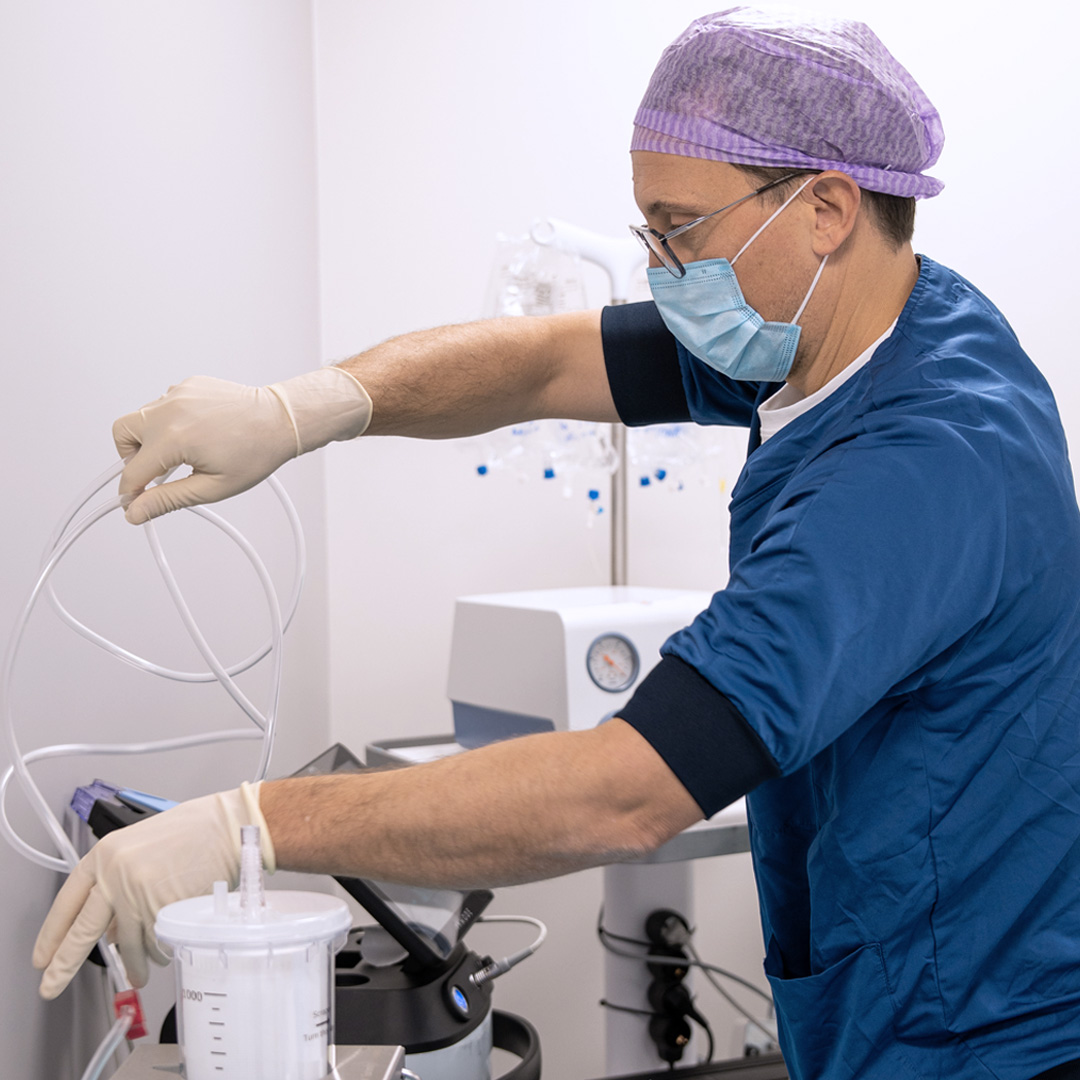
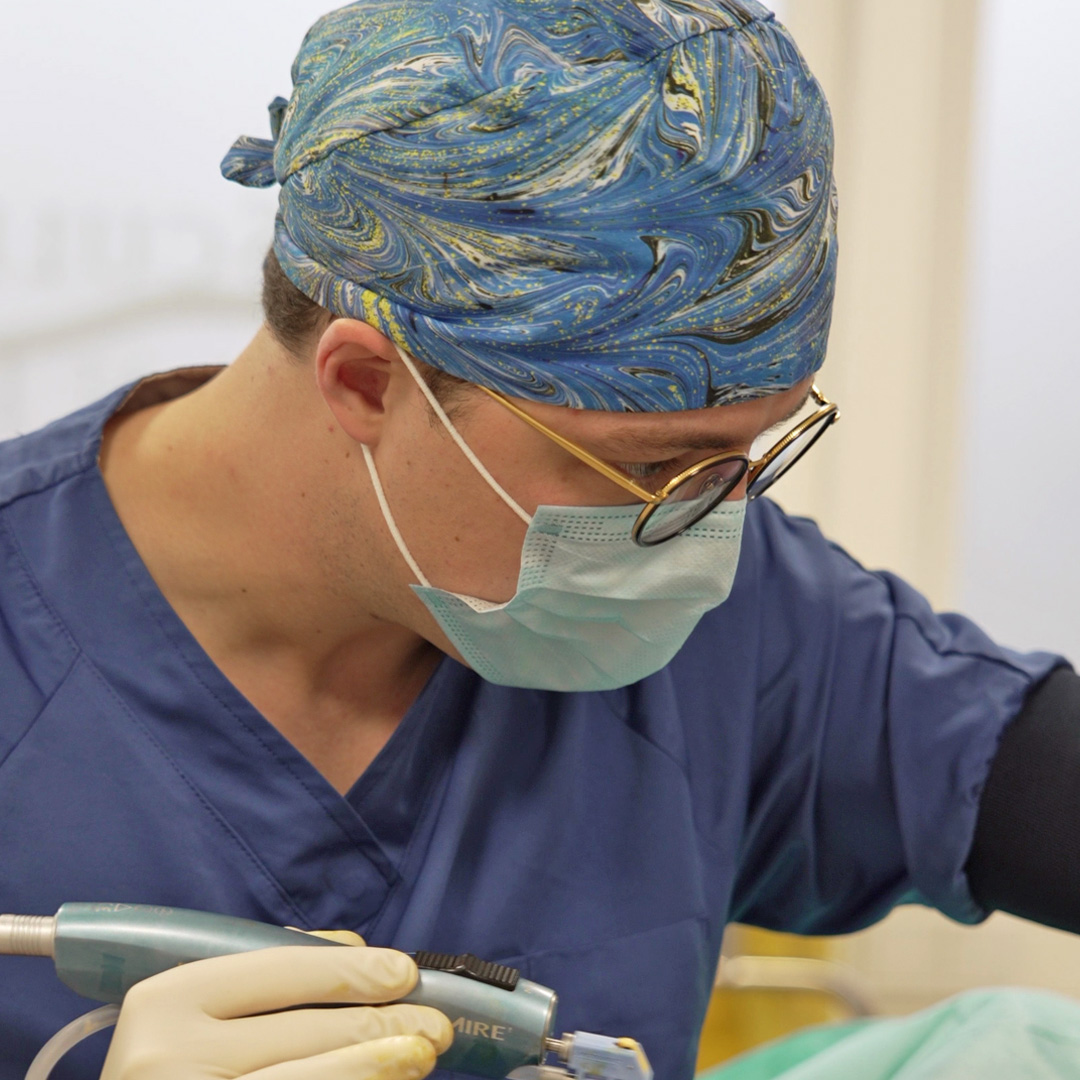
Lipedema Liposuction
Surgical treatment in the form of liposuction under local anesthesia with tumescent fluid, also known as tumescent liposuction.