


Not everything is yet known about the exact cause of the condition lipedema. Several factors may influence it. Most likely, female hormones play a role because lipedema often develops during or just after puberty and only in women.
There are also factors at the level of small blood and lymphatic vessels in the affected lipedema adipose tissue. In addition, low-grade inflammation (low grade inflammation) plays a role.
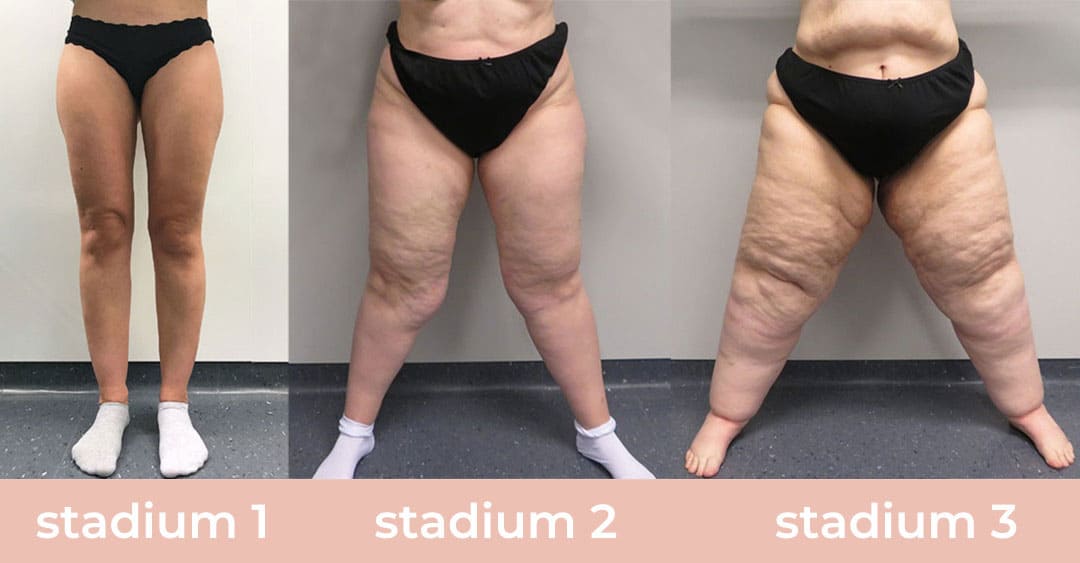
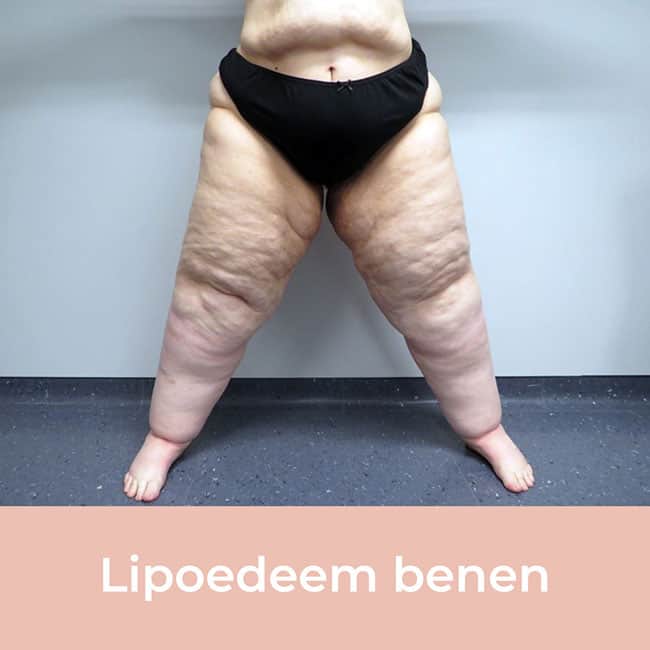
People suffering from lipoedema often have more Fat accumulation Fat their thighs and lower legs, and their ankles and feet also differ in thickness.
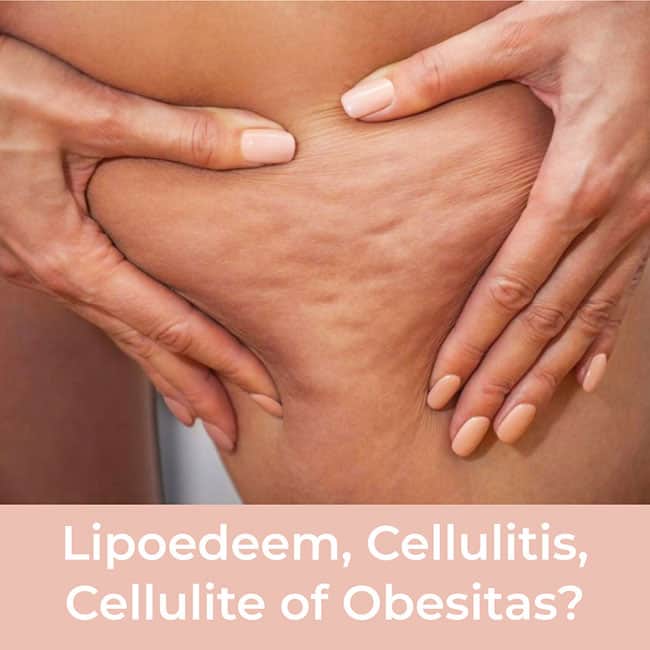
In addition, your skin is sensitive to touch and you bruise more easily. You often experience loss of strength in your arms and legs. Your limbs also feel painfully heavy.
Typically, with weight loss, you can easily see this in the face, breasts and torso, while the volume of the legs (and possibly arms) decreases little or not at all.
Could I have lipoedema?
Take the lipoedema self-test and receive the results immediately →
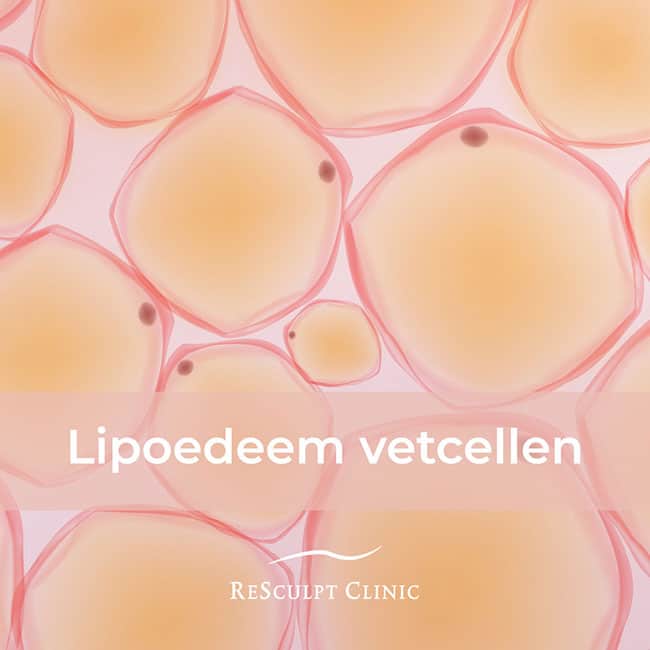
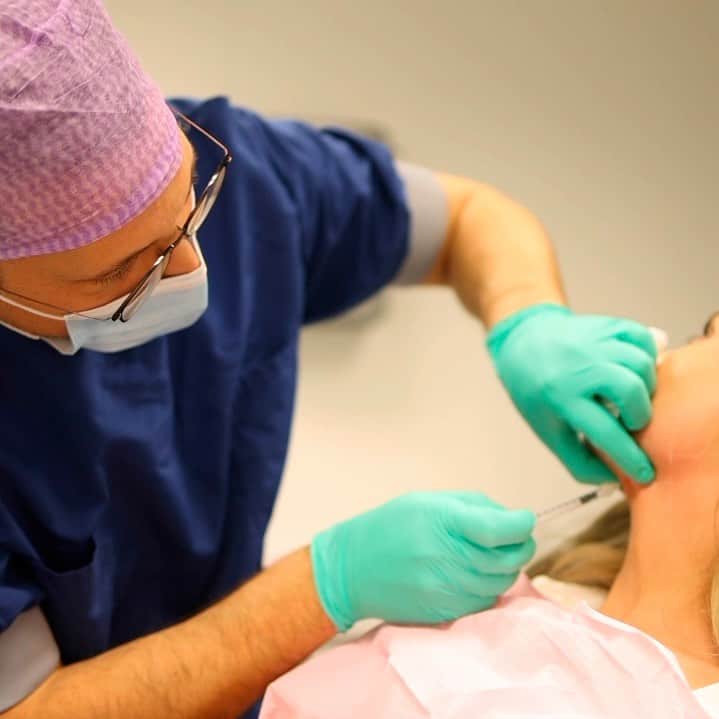
Lipedema is a disorder in the production of fatty tissue. It is a chronic disease that unfortunately does not heal on its own. Lipedema must be approached in a multidisciplinary manner. This means that, for optimal results, multiple aspects of lipedema must be addressed. Liposuction under local anesthesia is one of them.
Edema therapy and compression therapy play a very important role in the treatment of lipedema. In most cases, when performed correctly, it reduces pain and the feeling of heaviness. Often, the size of the tissue also decreases somewhat.
This is the result of improving fluid and lymph drainage, reducing inflammation, and improving blood flow. It is likely that this therapy, if continued over a long period of time, will slow down the worsening of lipoedema.
Maintaining a stable weight and following a diet tailored to lipoedema is important. A dietitian can help you with this. You can also find a lot of information in our nutrition plan. The volume gained by lipoedema tissue is difficult to lose. A low-carbohydrate diet is often recommended these days.
Adequate edema therapy supports the function of the lymphatic tissue and can reduce pain symptoms. It can also slow down the progression of lipedema.
Find more information on the lipedema diet page →
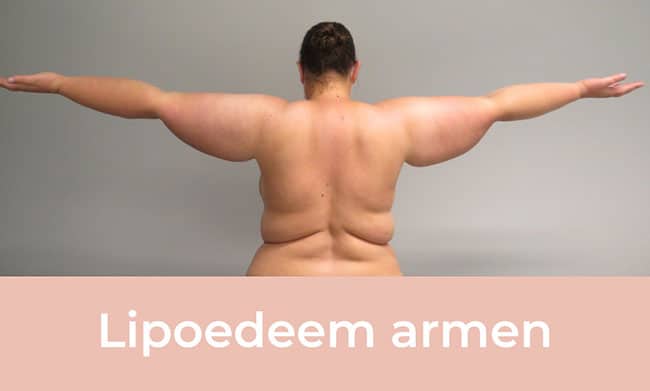
Lipedema is characterized by disproportionate fat accumulation, usually in the legs, hips, and sometimes arms, with the feet and hands often unaffected.
Typical symptoms include pain, sensitivity, bruising without any obvious cause, and a feeling of heaviness or tension in the affected areas. It is common in women and worsens without treatment. You can find more information on the page with more information about lipoedema symptoms →